
Uncovering Your Ancestry: A Step-by-Step Guide
- Tyler Luke

- Jan 5
- 4 min read
Exploring your ancestry can be a fascinating journey that connects you to your past and helps you understand your identity. Whether you are curious about your family history or looking to discover your roots, this guide will provide you with a structured approach to uncovering your ancestry.
Understanding the Importance of Ancestry Research
Researching your ancestry is more than just a hobby; it can provide insights into your family's history, culture, and traditions. Here are some reasons why you might want to delve into your ancestry:
Cultural Connection: Understanding your heritage can strengthen your connection to your cultural roots.
Family Health History: Knowing your family's medical history can help you make informed health decisions.
Personal Identity: Discovering your ancestry can enhance your sense of identity and belonging.
Getting Started: Define Your Goals
Before diving into research, it’s essential to define what you hope to achieve. Ask yourself:
Are you looking to trace your family tree?
Do you want to learn about specific ancestors?
Are you interested in understanding your ethnic background?
By clarifying your goals, you can focus your research efforts effectively.
Step 1: Gather Information from Family
The first step in your ancestry research is to gather information from family members. Here’s how to do it:
Conduct Interviews: Talk to older relatives who may have valuable information about your family history. Ask about names, dates, and places.
Collect Documents: Look for family documents such as birth certificates, marriage licenses, and old photographs. These can provide crucial details.
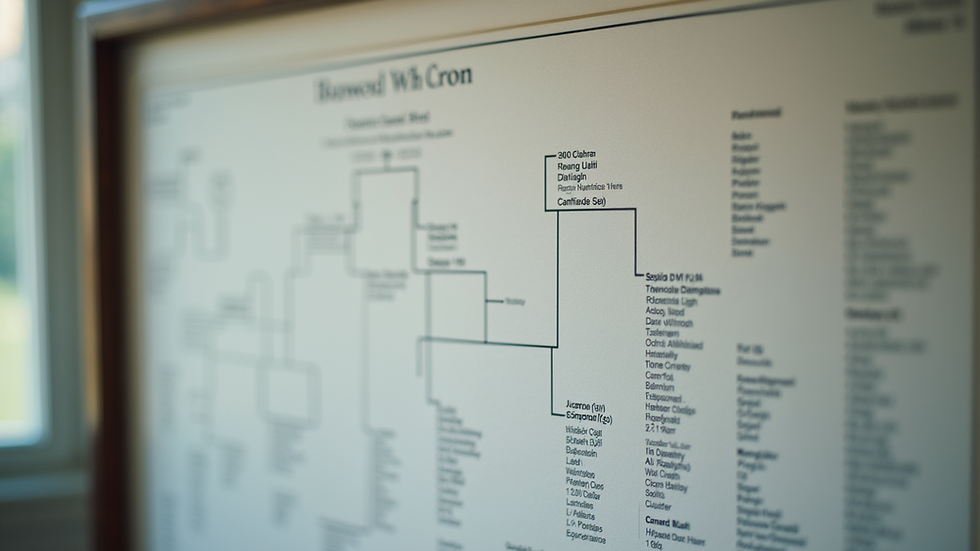
Create a Family Tree: Start mapping out your family tree using the information you gather. This visual representation can help you see connections and gaps in your knowledge.
Step 2: Utilize Online Resources
Once you have gathered initial information, it’s time to explore online resources. Here are some popular platforms:
Ancestry.com: This is one of the largest genealogy databases, offering access to census records, military records, and more.
FamilySearch.org: A free resource provided by The Church of Jesus Christ of Latter-day Saints, it offers a vast collection of records.
MyHeritage: This platform provides tools for building family trees and accessing historical records.
Image Placeholder

Step 3: Explore Historical Records
Historical records are invaluable for ancestry research. Here are some types of records to consider:
Census Records: These records can provide information about family members, occupations, and living conditions.
Military Records: If your ancestors served in the military, these records can offer insights into their lives and experiences.
Immigration Records: If your family immigrated, these records can help trace their journey and origins.
Step 4: DNA Testing
DNA testing has become a popular tool for ancestry research. Here’s what you need to know:
Types of Tests: There are several types of DNA tests available, including autosomal, Y-DNA, and mitochondrial tests. Each serves a different purpose.
Connecting with Relatives: DNA testing can help you connect with distant relatives and uncover branches of your family tree you may not have known about.
Understanding Ethnicity: Many DNA tests provide an estimate of your ethnic background, offering insights into your heritage.
Step 5: Join Genealogy Groups
Connecting with others who share your interest in genealogy can be beneficial. Here’s how to find and join groups:
Online Forums: Websites like Reddit and Facebook have groups dedicated to genealogy where you can ask questions and share findings.
Local Genealogy Societies: Many communities have local societies that offer resources, workshops, and networking opportunities.
Attend Conferences: Genealogy conferences can provide valuable information and allow you to meet experts in the field.
Step 6: Document Your Findings
As you gather information, it’s crucial to document your findings systematically. Here are some tips:
Use Genealogy Software: Programs like Family Tree Maker or Legacy Family Tree can help you organize your research.
Keep a Research Log: Document where you found each piece of information. This will help you track your sources and avoid duplication.
Create a Family History Book: Consider compiling your findings into a family history book that can be shared with relatives.
Step 7: Verify Your Information
As you uncover details about your ancestry, it’s essential to verify the information you find. Here’s how:
Cross-Reference Sources: Compare information from multiple sources to ensure accuracy.
Check for Errors: Be aware that records can contain errors, so approach each piece of information critically.
Consult Experts: If you encounter challenges, consider reaching out to professional genealogists for assistance.
Step 8: Share Your Discoveries
Once you have compiled your research, consider sharing your findings with family members. Here are some ways to do this:
Host a Family Gathering: Organize a family reunion where you can present your findings and share stories.
Create a Family Newsletter: Regular updates can keep family members informed about your research progress.
Utilize Social Media: Share your discoveries on platforms like Facebook or Instagram to engage with family and friends.
Conclusion: Embrace the Journey
Uncovering your ancestry is a rewarding journey that can deepen your understanding of who you are. By following these steps, you can navigate the complexities of genealogy research and connect with your past. Remember, the journey may take time, but the discoveries you make along the way will be invaluable. Start today, and who knows what fascinating stories your ancestry holds!

Comments