
Tracing Your Family Tree: Essential Tools and Techniques
- Tyler Luke

- Jan 5
- 4 min read
Genealogy is more than just a hobby; it’s a journey into your past that can reveal fascinating stories about your ancestors. Whether you are a seasoned genealogist or just starting, understanding the essential tools and techniques can make your family history research more effective and enjoyable. In this post, we will explore various methods, resources, and tips to help you trace your family tree successfully.

Understanding the Basics of Genealogy
Before diving into the tools and techniques, it’s important to grasp the fundamentals of genealogy. Genealogy is the study of family ancestries and histories. It involves collecting data about your family members, their relationships, and their life events. Here are some key concepts to consider:
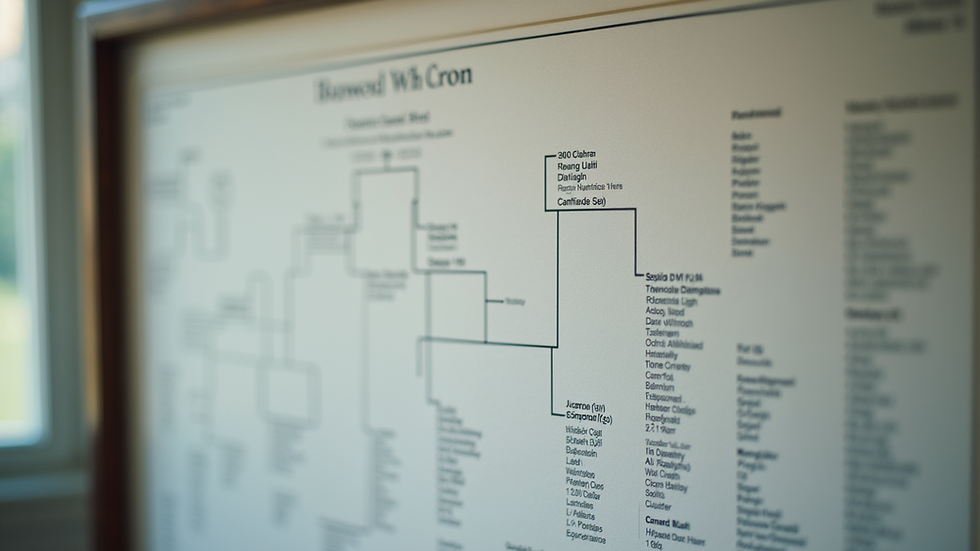
Pedigree Chart: This is a visual representation of your family tree, showing direct ancestors and their relationships.
Family Group Sheet: This document lists a family unit, including parents and their children, along with vital statistics like birth and death dates.
Census Records: These records provide valuable information about families, including names, ages, occupations, and places of residence.
Essential Tools for Genealogy Research
Online Databases
The internet has revolutionized genealogy research, providing access to a wealth of information. Here are some popular online databases:
Ancestry.com: One of the largest genealogy websites, Ancestry offers access to billions of historical records, including census data, military records, and immigration records.
FamilySearch.org: A free resource provided by The Church of Jesus Christ of Latter-day Saints, FamilySearch offers a vast collection of records and a user-friendly interface.
MyHeritage: This platform combines DNA testing with genealogy research, allowing users to discover their ethnic origins and connect with relatives.
Software and Apps
Using genealogy software can help you organize your research effectively. Some popular options include:
Family Tree Maker: This software allows you to create and manage your family tree, offering various templates and charts.
RootsMagic: Known for its user-friendly interface, RootsMagic helps you track your family history and offers integration with online databases.
Gramps: An open-source genealogy program, Gramps is ideal for those who prefer a customizable and flexible option.
DNA Testing
DNA testing has become an invaluable tool in genealogy. It can confirm relationships and uncover new branches in your family tree. Here are some popular DNA testing services:
23andMe: This service provides insights into your ancestry and health, connecting you with potential relatives based on shared DNA.
AncestryDNA: AncestryDNA offers ethnicity estimates and connects you with relatives who have also taken the test.
MyHeritage DNA: This service provides ethnicity estimates and allows you to build your family tree based on DNA matches.
Techniques for Effective Research
Start with What You Know
Begin your research by documenting what you already know about your family. Create a list of names, dates, and places related to your immediate family. This foundational knowledge will guide your research and help you identify gaps.
Interview Family Members
Talking to relatives can provide valuable insights and stories that may not be documented elsewhere. Prepare a list of questions to ask, such as:
What do you remember about your grandparents?
Are there any family traditions or stories that have been passed down?
Do you have any old photographs or documents that could help?
Utilize Public Records
Public records are a treasure trove of information for genealogists. Here are some key types of records to explore:
Birth, Marriage, and Death Certificates: These documents provide essential details about your ancestors’ lives.
Census Records: As mentioned earlier, census records can reveal family structures and movements over time.
Land and Property Records: These records can provide insights into your ancestors’ economic status and locations.
Join a Genealogy Society
Connecting with others who share your interest in genealogy can be incredibly beneficial. Local genealogy societies often host events, workshops, and provide access to resources. They can also connect you with experienced researchers who can offer guidance.
Overcoming Common Challenges
Dealing with Brick Walls
Every genealogist encounters challenges, often referred to as "brick walls." Here are some strategies to overcome them:
Revisit Your Sources: Double-check your records for any overlooked details or errors.
Expand Your Search: Look beyond immediate family and consider collateral relatives who may provide clues.
Use Alternative Records: Explore less common records, such as church records, newspapers, and military service records.
Maintaining Organization
Keeping your research organized is crucial for success. Here are some tips:
Create a Research Log: Document where you’ve searched, what you found, and what you still need to investigate.
Use Digital Tools: Consider using cloud storage to back up your documents and photos, ensuring they are accessible from anywhere.
Label Everything: Clearly label files and folders, both digital and physical, to make retrieval easier.
Ethical Considerations in Genealogy
As you delve into your family history, it’s important to consider the ethical implications of your research. Here are some points to keep in mind:
Respect Privacy: Be mindful of living relatives’ privacy when sharing information. Always ask for permission before publishing sensitive details.
Verify Information: Ensure that the information you gather is accurate and sourced from reliable records. Misinformation can lead to confusion and misrepresentation of your family history.
Conclusion
Tracing your family tree can be a rewarding and enlightening experience. By utilizing the right tools and techniques, you can uncover the stories and connections that shape your identity. Remember to start with what you know, leverage online resources, and engage with your family and community. As you embark on this journey, keep an open mind and enjoy the process of discovery. Your family history awaits!
By following these guidelines and utilizing the resources available, you can build a comprehensive family tree that honors your ancestors and enriches your understanding of your heritage. Happy researching!

Comments